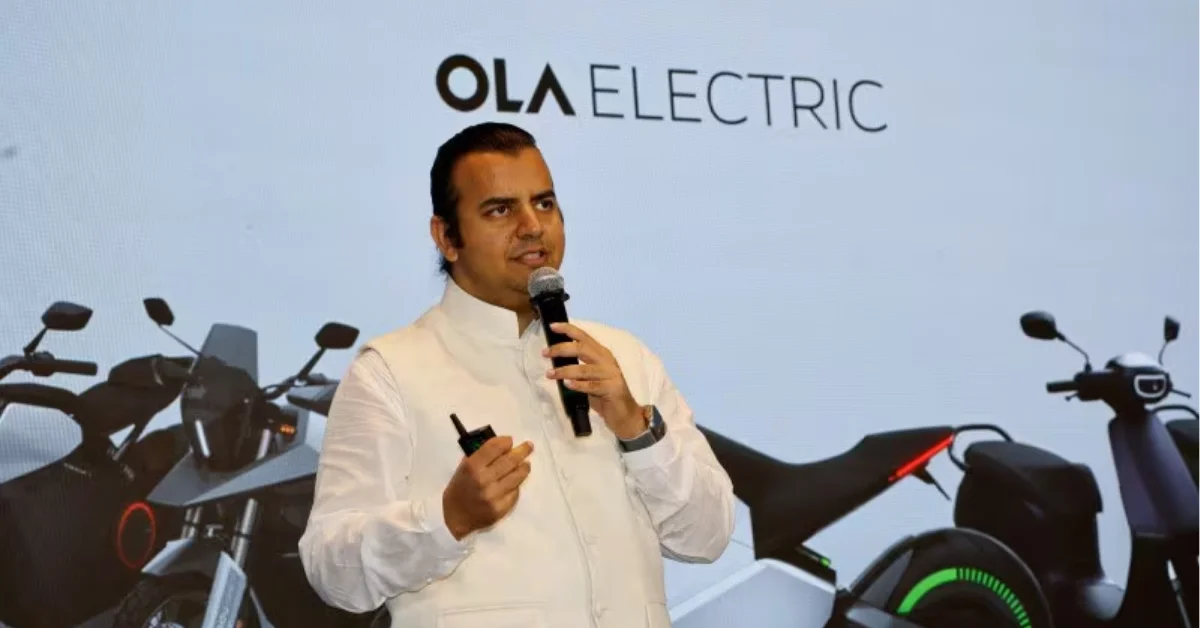
Recently, Ola Electric has come under the spotlight following the tragic suicide of an employee, K. Aravind, who worked as a homologation engineer at the company’s Bengaluru headquarters. Aravind’s death has raised serious questions about the workplace culture at Ola Electric, especially after a 28-page suicide note surfaced, alleging harassment by his superiors, including top company executives.
The Incident and Allegations
K. Aravind attempted suicide on September 28, 2025, at his residence in Chikkalasandra and later passed away at a hospital despite medical efforts. Following his death, his brother filed a police complaint accusing Ola Electric’s top management, including founder Bhavish Aggarwal and senior official Subrat Kumar Dash, of sustained workplace harassment and non-payment of salary dues. The complaint has led to an FIR being lodged under section 108 (abetment of suicide) of the Bharatiya Nyaya Sanhita.
A key point of concern is a payment of over ₹17 lakh made to the deceased’s bank account days after his death, which Aravind’s family suspects was an attempt to cover up internal wrongdoings.
Ola Electric’s Response
The company has expressed deep sorrow for the tragic loss of their colleague and assured full cooperation with the ongoing police investigation. Ola Electric denied that Aravind ever raised any formal complaints during his tenure, which spanned over three and a half years. They emphasized that Aravind’s role did not involve direct interaction with the company’s top management and highlighted the interim protective orders secured from the Karnataka High Court in their favor regarding the FIR.
Ola Electric stated that immediate support and full and final settlements were facilitated to the late engineer’s family, underscoring their commitment to providing a safe and respectful workplace environment for all employees.
Broader Workplace and Industry Implications
This case has triggered discussions on the mental health and well-being challenges faced by employees in India’s fast-growing electric vehicle (EV) sector. It spotlights the need for companies to foster transparent, supportive, and empathetic working environments, particularly in high-pressure industries undergoing rapid expansion.
The incident is especially poignant given this is reportedly the second suicide involving Ola Electric employees within a few months, fueling calls for review and reforms in corporate governance and employee welfare.
Summary of Key Points
-
Employee K. Aravind died by suicide, leaving a detailed note alleging workplace harassment.
-
FIR filed against Ola Electric founder and senior officials for abetment of suicide.
-
Ola Electric denies allegations, highlighting no formal grievances from the employee.
-
Company emphasizes cooperation with police and protective court orders.
-
Incident prompts wider conversations on workplace safety in the EV sector.
Conclusion
While the investigation continues, Ola Electric faces a critical moment in demonstrating its dedication to employee welfare and transparent corporate practices. Companies in growing sectors must recognize the importance of mental health support and open communication channels to prevent such tragedies.
For the public and industry watchers, this case serves as a reminder that business success must go hand in hand with responsible workplace culture and employee care.