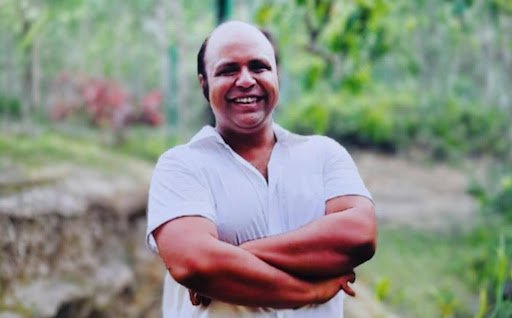
What can a Persian poet from the 12th century, a Spanish writer from the Renaissance, and a modern reader in India possibly have in common?
According to Dr. Shadab Ahmed, quite a lot.
An author, translator, and Head and Neck Plastic and Reconstructive Surgeon, Dr. Ahmed has spent years studying poetry from different parts of the world. His work takes readers across centuries, languages, and cultures, introducing them to literary traditions that many may never have encountered before.
At a time when reading habits are changing rapidly, he remains committed to making classical poetry accessible to modern audiences.
A Lifelong Fascination With World Literature
Long before he became a doctor, Dr. Ahmed was a passionate reader. During his teenage years, he developed a strong interest in poetry and literary works from different countries and historical periods.
Over time, he focused his attention on poetry, believing that it captures human thoughts and emotions in a unique way.
His reading spans Persian, Indian, Turkish, European, Mandarin, Hebrew, Russian, and Iberian literary traditions. What began as personal curiosity gradually became years of study, research, translation, and writing.
For Dr. Ahmed, poetry is far more than a form of artistic expression. It is also a record of how people lived, loved, celebrated, mourned, and understood the world around them.
Making World Poetry Accessible
One of the most interesting aspects of Dr. Ahmed’s work is his commitment to bringing historical literary works to readers who may not have access to the original languages.
Many classical poems remain hidden behind linguistic barriers. Through translation and interpretation, he helps make these works available to a wider audience.
His books introduce readers to literary traditions from different regions of the world, including Persia, Mughal India, Spain, Portugal, and beyond.
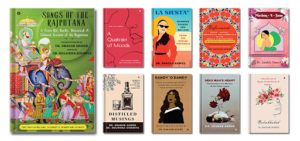
Works such as Bebakhshid, La Siesta, Befarmaid, and Distilled Musings reflect years of reading and research across multiple literary traditions.
For him, translation is not simply about changing words from one language into another. It is about preserving meaning, emotion, and cultural memory.
The Emotions That Outlive Empires
Despite the vast differences between civilizations and historical periods, Dr. Ahmed believes there is something universal about poetry.
The people who wrote these verses lived in different times and places, yet many wrote about the same experiences that people continue to face now—love, loss, longing, faith, joy, hope, and heartbreak.
This is one of the reasons he believes classical poetry remains relevant.
A reader may be separated from a poet by hundreds of years, yet still find comfort, understanding, or inspiration in the same lines.
Carrying the Past Into the Future
Dr. Ahmed’s latest book, Songs of the Rajputana, continues this broader effort of preserving literary and historical narratives. Drawing from bardic traditions, historical accounts, and archival sources, the book presents a literary account of Rajput history across different periods.
The project reflects a larger theme that runs through much of his work: preserving important voices from the past and making them accessible to new generations.
When the Past Still Speaks
In a world driven by speed and constant change, many important literary traditions risk fading from public memory.
Dr. Ahmed believes that old poems still have much to say. They carry stories, emotions, and experiences that continue to resonate across cultures and generations.
Through his books, translations, and research, he is helping bring centuries of world poetry into modern conversation, ensuring that these voices remain part of the cultural dialogue rather than becoming forgotten chapters of history.